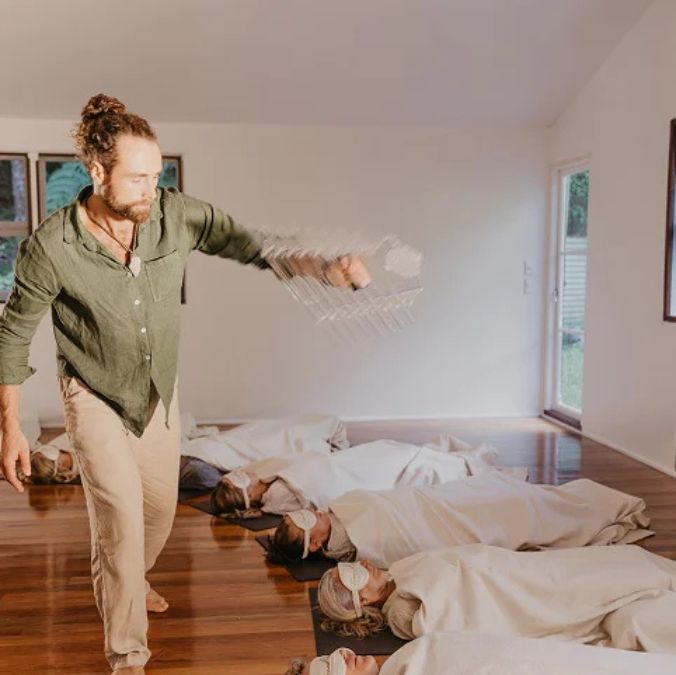
Stepping into the world of sound healing is deeply exciting and choosing your first instrument(s) is often one of the most joyful (and overwhelming) parts of the journey. Over the years of teaching Sound of Being™, I’ve learnt that your toolkit doesn’t need to be large or impressive. It just needs to support your presence, your nervous system, and the way you naturally hold space.
This guide will help you understand exactly where to begin, without pressure or overcomplication.
Start With Depth, Not Quantity
It’s tempting to buy a full set of bowls, a gong, a handpan, and every accessory you can find. But in reality, a facilitator grows in layers and your toolkit should evolve alongside your embodiment. For me, my Sound Healing journey began with one crystal bowl which accompanied 60min guided meditations for groups of people for months before I expanded to a second bowl.
Instruments are not just objects; they’re extensions of your awareness. Learning the voice, texture, and personality of each piece is far more important than collecting many at once.
A grounded toolkit often begins with a few high-quality instruments you form a deep relationship with.
Foundational Instruments for Every Facilitator
These are the pieces we recommend to students in the early stages of their practice:
Crystal Singing Bowls
Whether you choose one, three, or a full chakra set later on, crystal bowls are the heart of many sound journeys. They support brainwave entrainment, nervous system restoration, emotional support, and spaciousness in the mind.
Start with:
• One bowl you love the sound of
• Or a smaller set of either three-bowl triad, or 4 bowl combination (Just ensure each note plays harmoniously together)
Himalayan Bowls
Warm, grounding, stabilising. These are excellent as individual pieces but are enhanced when layered with Crystal Singing Bowls. One of these babies is a great start however, three adjoining notes add a depth to your sessions that is palpable and transformative for both the body, mind, and psyche.
Tingshas
These are incredibly resilient and easy to work with and their inclusion adds a depth and attentive focus unlike any other instruments. Traditionally, they are used to signify the beginning and end of ritual and ceremony, meditation and prayer – so, they work well at the beginning and end of your sessions to bring mental, emotional, physical, and energetic attention.
Chimes
Koshi or Zaphir chimes are beautiful finishing tools. They support transitions, clearing, and gentle emotional regulation. These are easily accessible and don’t take too long to get the hang of – but their addition is prominent and powerful.
Optional (when you’re ready)
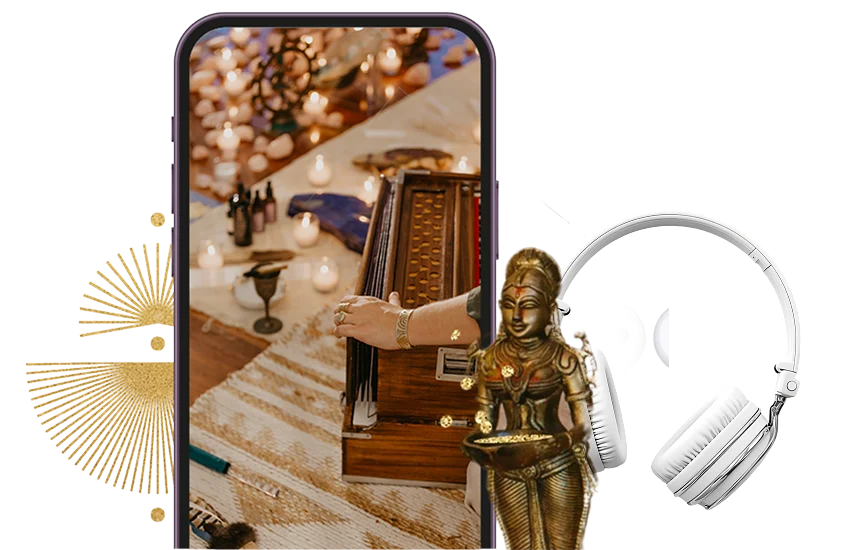
- Shruti box or harmonium
- Flutes
- Monolina
- Rainstick, Rattles, and Shakers
- Medicine drum
- Crystal harp
- Handpan
- Tuning forks (for Level 2 practitioner work)
There is no rush. Let your toolkit mirror your growth.
Questions to Ask Yourself Before Buying Any Instrument
These simple questions can save you hundreds of dollars and years of trial and error:
1. Does this instrument regulate me?
If your system softens when you play it, your participants will likely feel that.
2. Am I choosing this because I love it or because I think I “should” have it?
The industry is full of trends. Choose resonance over aesthetic. Be yourself and walk your own path – that is one of the greatest gifts you can give to others when facilitating too.
3. Will I actually use this in a session?
Some instruments are beautiful but do not match your style, your rhythm, or the emotional landscape you hold for participants. However, sometimes instruments come and go. The ones we ‘thought’ would be amazing turn out to not fill the space like you intended (and vice-versa!)
4. Does it fit the spaces I work in?
A 32″ gong is incredible — but not in a tiny room.
5. Can I carry it safely?
Your body is part of your toolkit too. Honour and respect yourself first and foremost!
A Toolkit That Evolves With You
One of the biggest mistakes we see practitioners make is rushing to acquire everything at once. The most seasoned facilitators often use fewer instruments than beginners, but with more intention, skill, and energetic precision.
A strong toolkit grows through:
- Practice
- Embodiment
- Listening
- Confidence
- And understanding the nervous system
As your style becomes clearer, you’ll naturally be drawn to instruments that reflect the way you hold space — not the way anyone else does.
Final Thoughts
Your toolkit isn’t defined by the number of instruments you own. It’s defined by the relationship you build with them. If you start slowly, choose consciously, and allow your practice to guide your purchases, you’ll create a toolkit that feels authentic, sustainable, and deeply supportive.
If you’re stepping into this pathway or want to refine your facilitation, our Sound of Being™ 200-hour Facilitator Training goes far deeper into instrument use, sequencing, nervous system awareness, and creating safe spaces for participants. You can begin the online foundations as soon as you enrol. Most importantly, you get hands-on experience with all of our instruments – and more – so you can get a good vibe as to whether it will suit you or not.
Yours in sound.
Matty Rainbow